
Special Education Beyond the Traditional Classroom
A Two-Day Workshop by Nurture Nest Centre for Special Needs
At Nurture Nest Centre for Special Needs, we believe that meaningful change in special education begins with knowledge, understanding and practical experience.
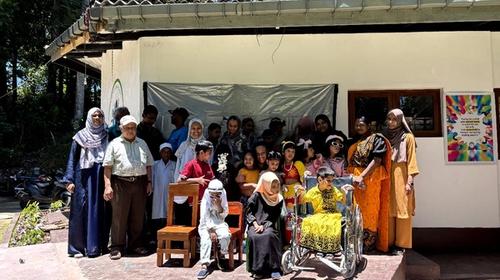
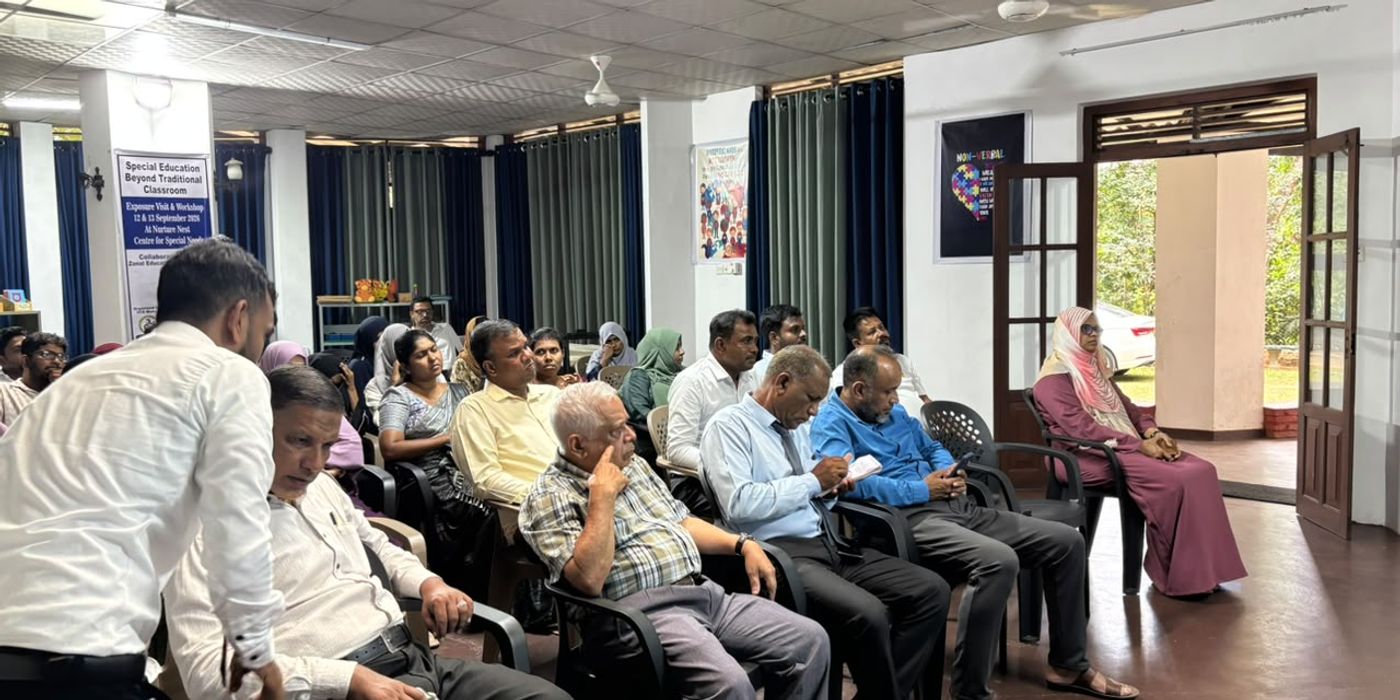
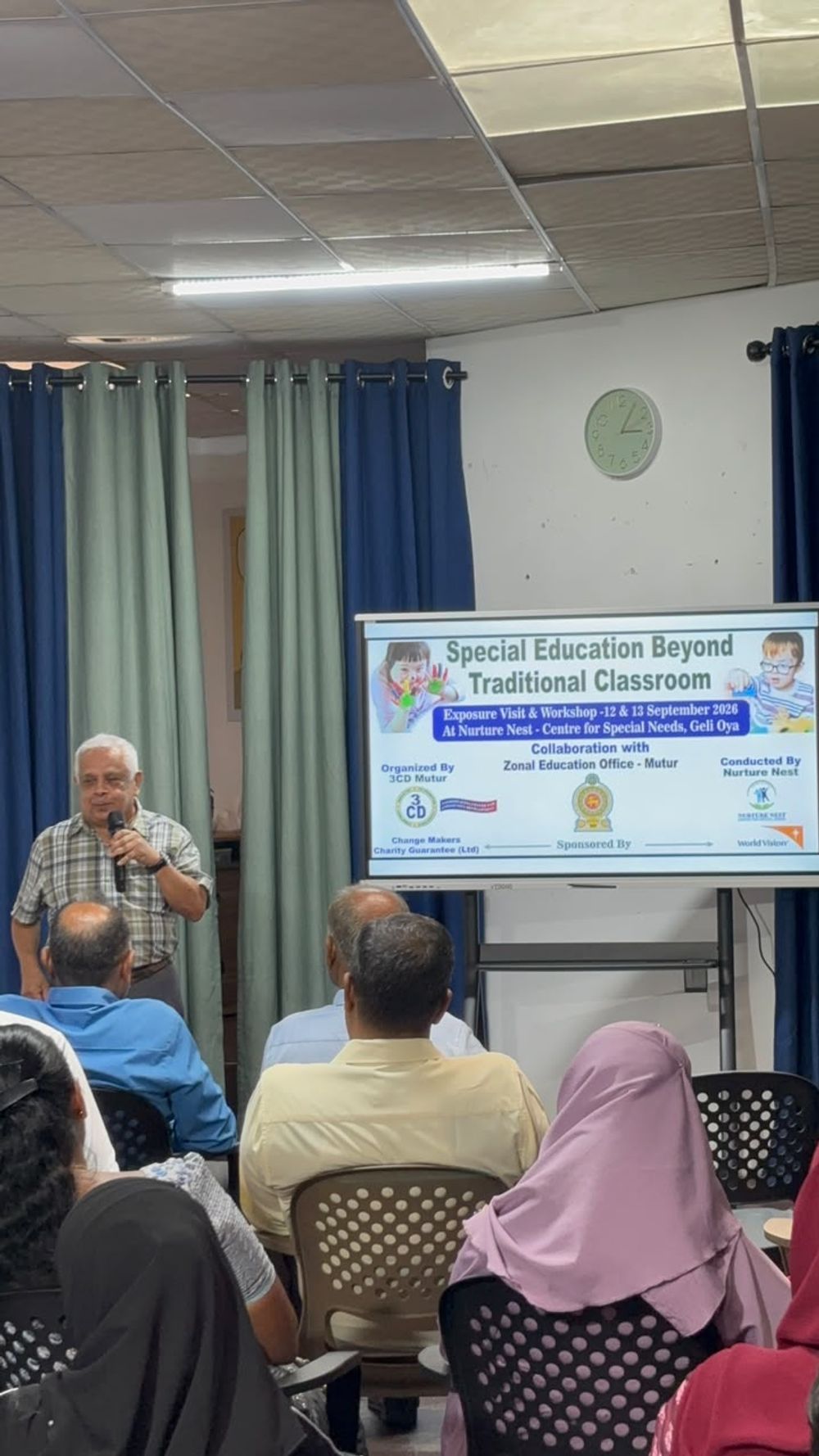
With this vision, Nurture Nest Centre conducted a two-day professional workshop titled “Special Education Beyond the Traditional Classroom”, in collaboration with 3CD, Muthur.
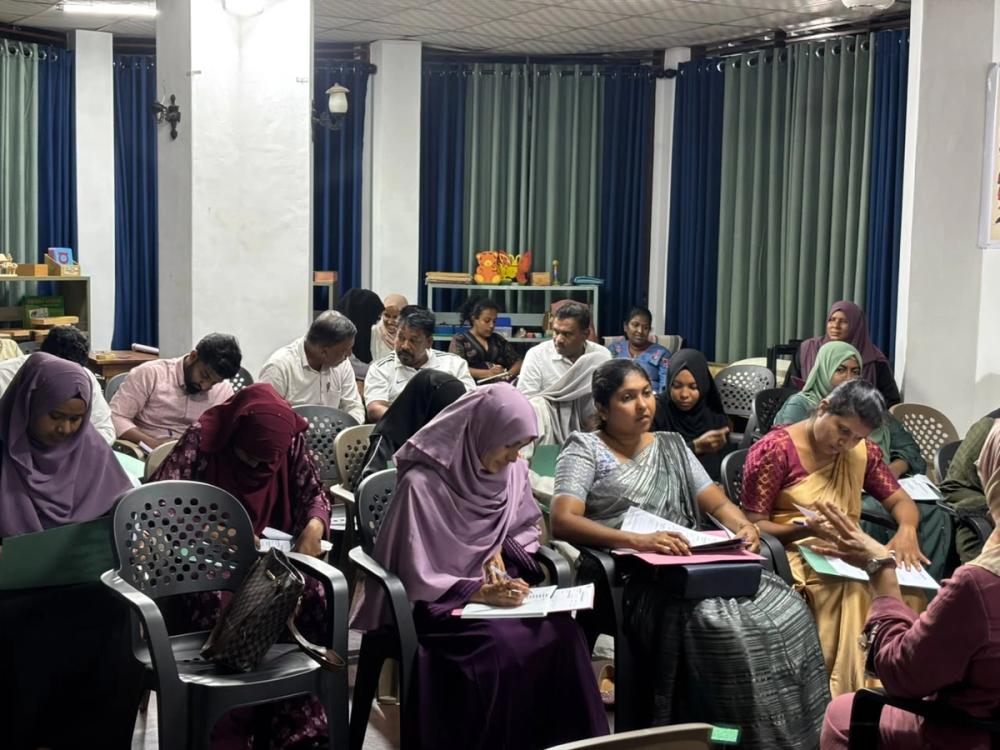
The workshop brought together 20 teachers and education professionals for an interactive learning experience focused on special education, inclusive education, developmental assessment, activity planning and therapeutic intervention.
Learning Beyond the Classroom
The workshop was designed to go beyond traditional presentations. Participants were given opportunities to observe, discuss, practise and apply different approaches used in working with children with special educational needs.
The programme included presentations, discussions, practical demonstrations, case-based activities and group presentations, allowing participants to connect theoretical knowledge with real-life situations.
The first day began with an introduction to Nurture Nest Centre, its services and its approach to supporting children and young people with special educational needs. Participants were also given an insight into the Centre’s development and practical work through a documentary presentation.
Practical Workstations
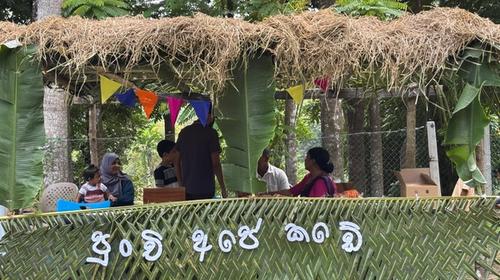
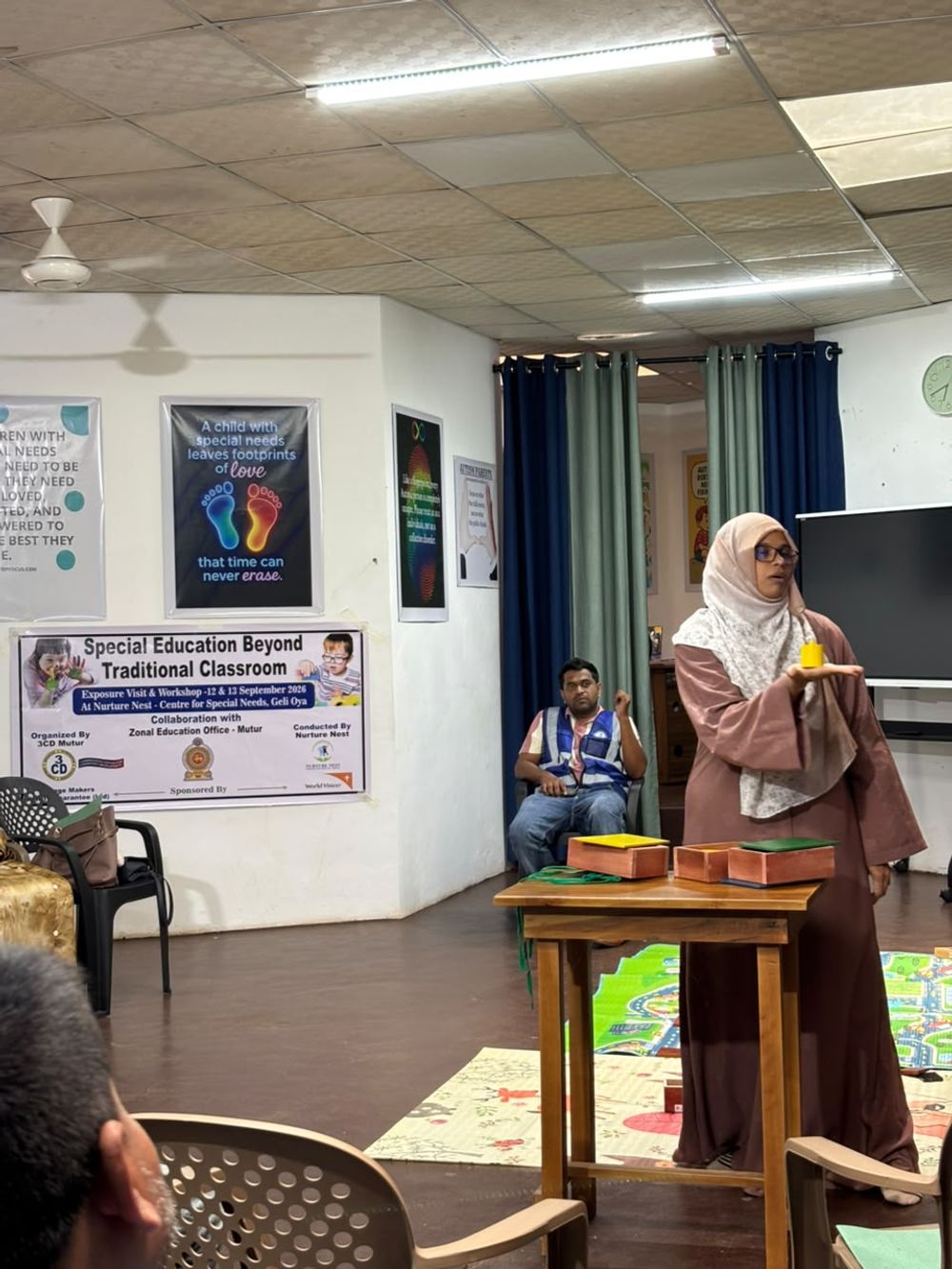
One of the highlights of the workshop was the practical workstation session.
Participants explored different areas of the Centre and were introduced to practical activities including:
- Occupational therapy-related activities
- Sensory and developmental activities
- One-to-one educational sessions
- Activity adaptation
- Individualized support strategies
- Practical intervention approaches
These sessions helped participants understand how an activity can be adapted according to a child’s developmental level, strengths and individual needs.
Understanding the Child as an Individual
The second day focused on developmental assessment and individualized activity planning.
Rather than following one approach for every child, participants explored the importance of observing each child and identifying their individual strengths and areas where additional support may be needed.
Through a case-based activity, participants worked in groups to understand assigned cases, identify strengths and support needs, select learning objectives, plan appropriate activities and consider necessary adaptations. Each group then presented its activity plan, followed by discussion, feedback and recommendations.
The Importance of a Multidisciplinary Approach
A dedicated session on therapeutic intervention highlighted the importance of working together to support children with special needs.
Participants explored the value of collaboration between teachers, parents, occupational therapists, speech and language therapists, physical trainers or therapists, behaviour professionals and other relevant professionals.
The workshop emphasized that effective support becomes stronger when professionals and families communicate and work together towards the needs of the individual child.
Creating Truly Inclusive Learning Environments
Another important focus was inclusive education.
Participants discussed how teaching methods, classroom activities, learning materials and environments can be adapted so that children with different abilities can participate meaningfully.
The workshop emphasized that inclusion is not simply about placing a child in a classroom. It is about providing the understanding, support, participation and opportunities needed for each child to learn according to their abilities.
From Knowledge to Practice
Throughout the workshop, participants were encouraged to think beyond traditional teaching methods and explore practical ways of supporting children with special educational needs.
The hands-on component gave them exposure to individualized learning activities, sensory activities, occupational therapy-related activities, one-to-one support, developmental activity planning, activity adaptation and practical intervention strategies.
The active participation of the teachers and education professionals made the workshop a valuable exchange of ideas and experiences. Participants engaged in discussions, group activities, practical demonstrations and case-based planning, while sharing their ideas and challenges and receiving feedback.
Building Capacity for Inclusive Education
By the end of the programme, participants had gained greater awareness of special educational needs, developmental assessment, individualized activity planning, therapeutic intervention and inclusive education.
The workshop also aimed to strengthen participants’ confidence in planning meaningful activities for children with diverse needs and highlighted the importance of multidisciplinary collaboration.
Looking Beyond Limitations, Towards Possibilities
The “Special Education Beyond the Traditional Classroom” workshop reflected an important belief at Nurture Nest Centre: every child is an individual, and education should respond to that individuality.
By bringing together knowledge, practical learning and professional collaboration, the workshop created a space for educators to learn new approaches and reflect on how they can make learning more accessible, meaningful and inclusive.
Nurture Nest Centre extends its sincere appreciation to 3CD, Muthur, the participating teachers and education professionals, facilitators and everyone who contributed to making this workshop a meaningful learning experience.
We look forward to continuing our efforts to promote awareness, knowledge and practical approaches in special and inclusive education.
Nurture Nest Centre for Special Needs
Empowering Every Child with Care & Compassion.
Nurture Nest Team
Care Team